How Users Handle Large Media Files Across Messaging and Editing Apps
Sending media today is very different from a few years ago. People now share long videos, high-resolution photos, and heavy work documents directly from their phones. This shift has changed expectations, especially around quality and speed. How Users Handle Large Media Files Across Messaging and Editing Apps like gb wahtsapp application, is no longer a technical topic it’s a daily concern for creators, freelancers, and regular users alike.
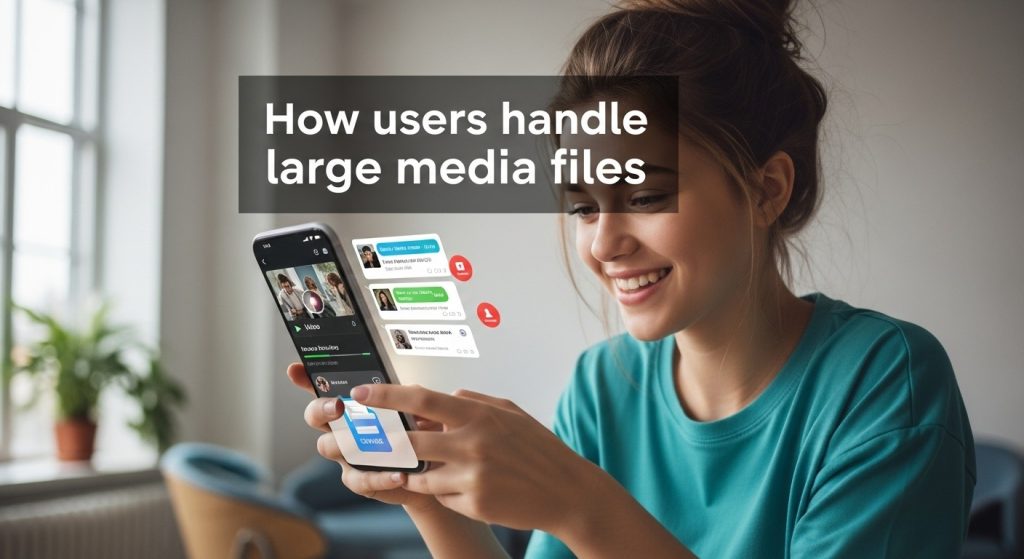
Readers who’ve explored topics like advanced media sharing or privacy-focused messaging features often notice the same pattern. Default apps work fine for casual chats, but once file sizes increase, limitations become obvious. That’s why conversations around whatsappgb and wa gb terbaru appear naturally, especially among users who want fewer restrictions when sharing media.
Media creation usually begins outside chat apps
Large files rarely start inside messaging platforms. They begin in editing apps where users trim clips, adjust audio, or export final versions. Mobile tools like CapCut are popular because they allow high-quality exports suitable for social platforms and professional sharing.
The problem appears after exporting. Once a video or document is ready, sending it through a standard messaging app often triggers automatic compression. Visual quality drops, audio becomes flatter, and file limits interrupt the process. This gap between editing and sharing is where user behavior starts to change.
Why messaging platforms compress large files
Messaging apps are built for speed and stability. To keep transfers fast across different network conditions, they compress media in the background. For short clips or casual photos, this isn’t noticeable. For long videos or detailed files, the quality loss becomes obvious.
Instead of lowering expectations, users adapt their workflow. Some rely on cloud links. Others split files into smaller parts. Many look for messaging alternatives that allow original-quality sharing. This is where gbwhatsapp enters discussions—not as a trend, but as a practical response to file limitations.
How Users Handle Large Media Files Across Messaging and Editing Apps in practice
Rather than following one method, users develop flexible habits based on what they’re sharing and who’s receiving it.
| Situation | Common User Approach |
| Long edited video | Share via apps with higher file limits |
| Business documents | Send without compression |
| Social media content | Avoid auto-compression before posting |
| Group sharing | Use platforms that support large transfers |
This explains why searches related to wa gb or gb whatsapp apk often come from users frustrated with file handling rather than messaging features.
A real-world example from everyday use
A small business owner shared her experience on an online forum. She regularly sends promotional videos to clients after editing them on her phone. Clients kept reporting blurry previews when she used standard messaging apps. After switching to gb whatsapp pro apk for internal sharing, the feedback stopped. Videos played clearly, and approvals became faster.
Stories like this highlight how users quietly adjust tools instead of changing expectations.
Editing and messaging now form a single workflow
For many people, editing and sharing are no longer separate steps. Messaging apps like wa gb mod apk act as the final delivery channel for creative work, client communication, and internal collaboration. Expectations have shifted accordingly.

Users now expect messaging platforms to support high-resolution videos, large image sets, and full-size documents. When default apps fall short, alternatives fill the gap. This is why people researching download gb whatsapp are often creators, freelancers, or power users rather than casual chat users to download this must visit trusted or official website like gbwhata.id.
Simple steps people use to share large files safely
Most users who succeed follow a straightforward routine:
- Export media in the highest supported quality
- Avoid platforms that compress files automatically
- Test playback before sending to groups
- Use messaging apps with flexible size limits
These steps don’t require advanced skills—just awareness of how different apps treat media.
Why flexibility matters more than speed today
With faster internet and better devices, users care less about saving a few seconds and more about preserving clarity and professionalism. Media quality has become part of communication itself.
That’s why wa gb and similar platforms remain part of the conversation. They align more closely with how people actually share content today—frequently, casually, and at higher quality. This evolution explains How Users Handle Large Media Files Across Messaging and Editing Apps differently than they did just a few years ago.
Frequently asked questions
Why do messaging apps reduce video quality?
Most apps compress media to reduce server load and ensure faster delivery on slower networks.
Can large files be shared without compression?
Yes, if the platform supports original-quality transfers and higher size limits.
Do editing apps affect final file size?
Absolutely. Export settings like resolution, bitrate, and format can significantly change file size.
Why do creators prefer flexible messaging apps?
They allow clean previews, quicker feedback, and fewer re-exports.
Is it safe to use modified messaging apps?
Users should rely on trusted sources and understand permissions before installing any third-party app.
Conclusion
Media sharing has evolved into a workflow rather than a single action. Users now combine editing tools with flexible messaging platforms to protect quality and efficiency. Understanding How Users Handle Large Media Files Across Messaging and Editing Apps helps explain why user habits keep changing—and why control now matters more than ever.